Optimizing Routes and Increasing Logistics Efficiency.
Technology and Data Science have the potential to revolutionize the Logistics market, bringing innovative solutions that improve operational efficiency and reduce logistics costs.
With the use of technologies such as the Internet of Things (IoT) and Artificial Intelligence, it is possible to create real-time tracking and monitoring systems, allowing for a more precise and comprehensive view of logistics operations.
Furthermore, Data Science can be used to analyze large volumes of logistics data, allowing for more strategic and efficient decision-making.
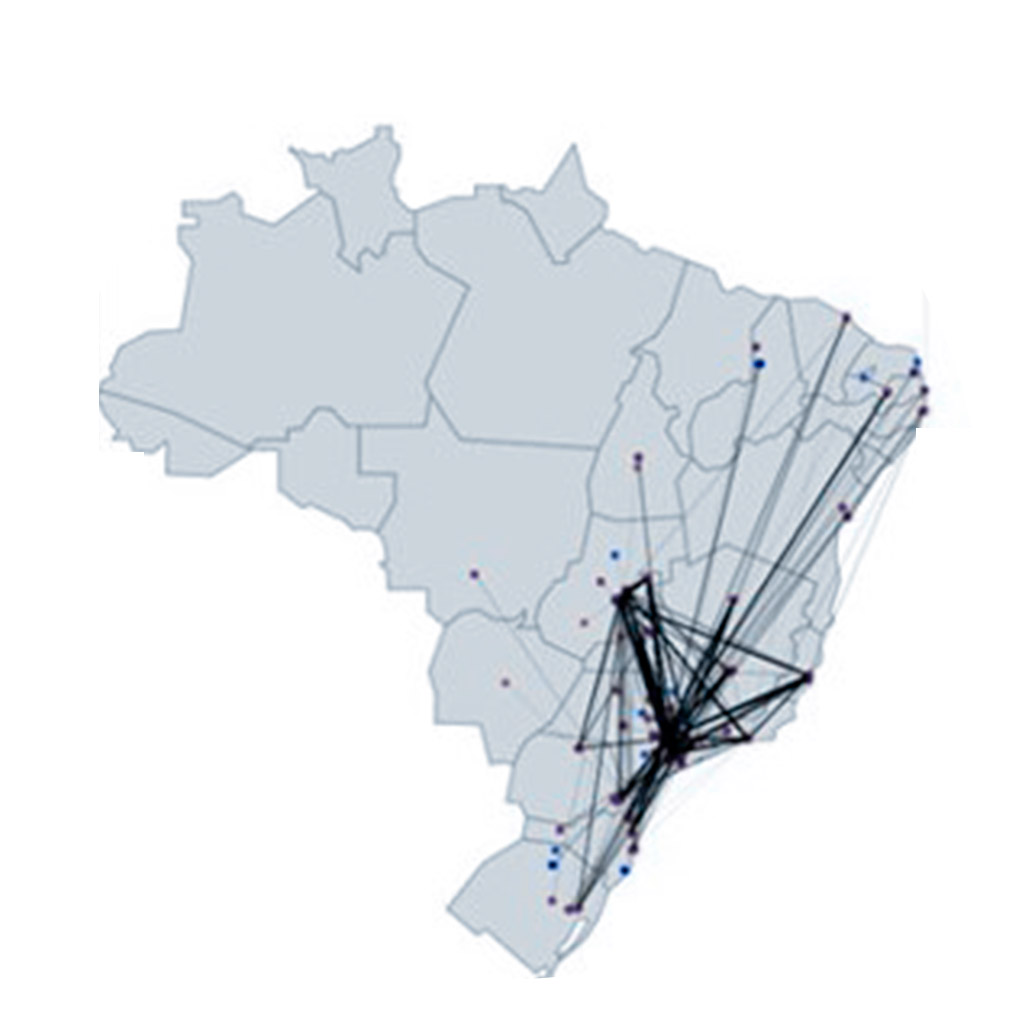
With Big Data and Analytics solutions, it's possible to identify patterns and trends, optimizing routes and reducing logistics costs.
Development of advanced routing algorithms to optimize delivery planning, considering time constraints, vehicle capacity, costs, and customer preferences.
Real-time tracking system implementation and fleet monitoring to track delivery status, allowing for adjustments and proactive decision-making.
Use of historical data and predictive algorithms to improve delivery time estimates and reduce delays.
Inventory Management and Supply Chain:
Inventory management system development based on data analysis and demand forecast, to prevent stockouts or overstocking.
Implementation of technologies such as IoT (Internet of Things) and RFID (Radio-Frequency Identification) to track and monitor items in real-time, ensuring accurate inventory visibility.
Data analysis to identify supply chain bottlenecks, in order to optimize product flow and reduce operational costs.
Data Analysis for Strategic Decision-Making:
Utilization of Data Science and Predictive Analytics Techniques to identify patterns and trends in logistics data, enabling more informed decision-making.
Sales, Demand, and Seasonality Data Analysis To optimize inventory planning, forecast future demand, and avoid excess stock.
Identifying cost reduction opportunities through the analysis of routes, transportation modes, and the selection of more efficient suppliers.
Automation and Process Optimization
Automation of logistics tasks and processes., The generation of transport documents, printing of labels and invoices, delivery scheduling, and communication with carriers.
Use of Machine Learning algorithms to analyze patterns and optimize processes, how storage planning, picking, and packing.
Implementation of chatbots or virtual assistants to provide automated customer support., transportation companies and logistics partners, reducing response time and improving efficiency.
Using Data Analysis and AI Techniques to Detect and Prevent Fraud, Cargo diversions and suspicious activities in the supply chain.
Implementation of security monitoring and access control systems in warehouses and distribution centers, using technologies such as security cameras and facial recognition.
Risk analysis and simulation to optimize transport safety., considering factors such as weather conditions, traffic, and high-risk routes.
Success Stories
Data Analysis and Engineering for Route Optimization
DHL – Líder global no segmento de logística, a empresa é especializada em entrega internacional, serviços de courier e transporte. Atualmente, conta com uma equipe internacional de 380.000 p …
Automação de Relatórios de Rastreamento Logístico com RPA (Autin)
Cargoblue – Atua no setor de logística e supply chain, oferecendo soluções para transporte e monitoramento de cargas em todo o território nacional. Com foco em eficiência, rastreabilidade e segura …