
Gestão de licenças de software: quando a falta de controle consome orçamento e amplia riscos

Uma empresa pode estar pagando por licenças que ninguém utiliza e, ao mesmo tempo, consumindo outros softwares acima das condições contratadas. Sem uma gestão de licenças de software estruturada, esses dois problemas podem permanecer escondidos entre fornecedores, centros de custo, contratos, usuários e áreas de negócio. O impacto não se limita à despesa com tecnologia. […]
Migração para cloud: o que acontece depois da entrada em produção e por que muitas empresas não estão preparadas
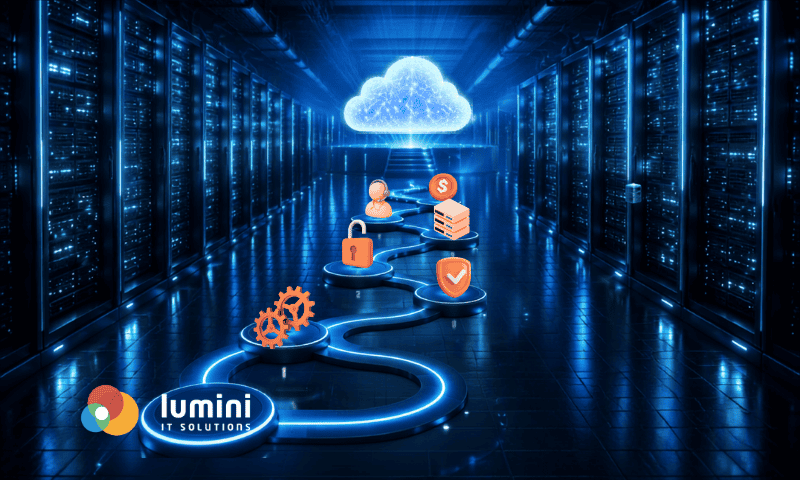
Muitas empresas consideram a migração para cloud concluída quando os sistemas entram em produção. Os testes foram aprovados, o cronograma foi cumprido e as aplicações continuam funcionando normalmente. O problema é que os indicadores que realmente mostram se a migração foi bem-sucedida costumam aparecer depois. Custos acima do previsto, falhas de governança, gargalos de desempenho, […]
Modernização de sistemas legados: quando “está funcionando” deixa de ser argumento suficiente

Existe uma frase que aparece em quase toda conversa sobre atualização tecnológica em empresas de médio e grande porte: “O sistema atual está funcionando.” É verdade. Mas esse costuma ser o argumento que mais atrasa decisões de modernização. Um sistema pode continuar operando e, ainda assim, limitar integrações, reduzir a velocidade de entrega, aumentar riscos […]
FinOps: como transformar a fatura de cloud em uma decisão financeira consciente

A nuvem trouxe escalabilidade e agilidade, mas também criou um novo desafio: custos crescentes sem visibilidade. Entenda o que é FinOps, como identificar desperdícios, estruturar governança financeira em cloud e transformar a fatura em uma ferramenta de decisão.
IA privada: a próxima fase da Inteligência Artificial será definida pela propriedade da inteligência

Durante os últimos anos, a adoção de Inteligência Artificial dentro das empresas foi guiada por uma pergunta direta: qual modelo usar? ChatGPT, Copilot, Gemini, Claude e outras plataformas passaram a fazer parte da rotina de equipes que buscavam produtividade, automação, análise de documentos, apoio ao atendimento, criação de conteúdo e ganho de velocidade em tarefas […]
Pentest na era da IA: encontrar vulnerabilidades ficou mais rápido. Saber quais importam virou o problema

Encontrar vulnerabilidades deixou de ser o maior desafio da segurança. Com scanners e IA identificando falhas em escala, o problema agora é entender quais riscos realmente precisam ser corrigidos primeiro. Neste artigo, veja por que o pentest continua essencial para validar impactos reais e orientar a priorização das correções.
Vibe coding na prática: como acelerar sem abrir espaço para vulnerabilidades
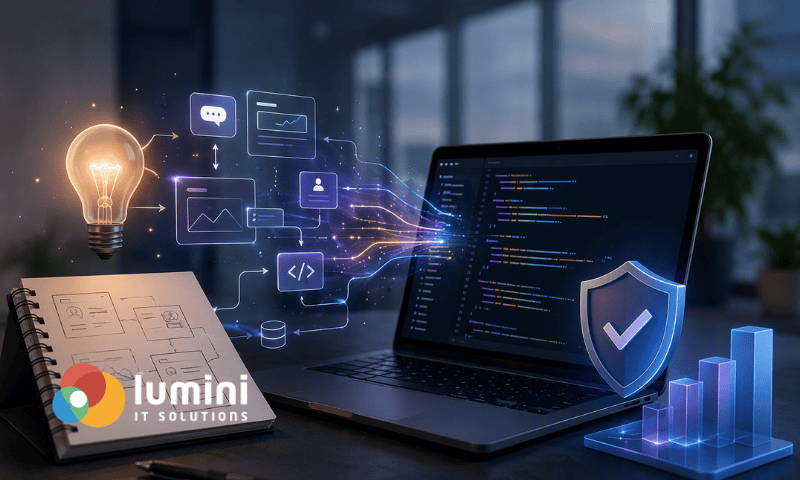
O que é vibe coding Vibe coding é uma das formas mais rápidas que surgiram nos últimos anos para transformar ideias em software. Em vez de começar por um projeto longo, com estrutura inicial pesada e múltiplas etapas manuais, o usuário descreve o que deseja e ferramentas de inteligência artificial ajudam a gerar telas, fluxos, […]
Data Lakehouse: What it is and how the new data architecture provides a competitive advantage for Enterprise AI
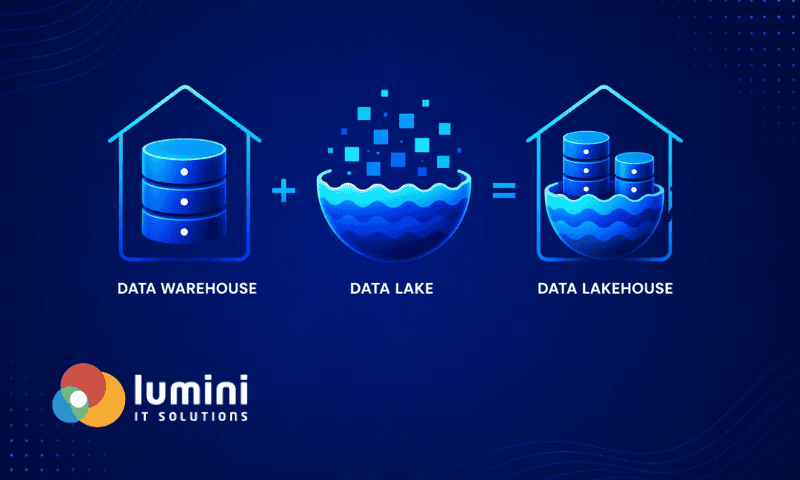
Understand why the merger between Data Lakes and Data Warehouses has become the standard for companies seeking efficiency, governance, and digital acceleration with Artificial Intelligence. The data challenge in the era of AI For years, companies operated with two separate models: Data Warehouses for structured data and BI reports, and Data […]
Bugmageddon: How to Protect Your Business from AI Failures

Bugmageddon: How AI is Discovering Vulnerabilities Faster Than We Can Fix Them Digital security has always been a balancing act between those who develop software and those who try to exploit it. However, this balance is rapidly being disrupted. We are entering what experts and international media are already calling Bugmageddon: a new era in [...]
RAG: How Generative AI Starts Responding with Real Company Data
What is RAG and why are companies adopting AI connected to their data? The adoption of artificial intelligence in companies is no longer just an experimental trend. Increasingly, organizations are seeking to apply AI in real processes, connecting generative models to internal knowledge bases, corporate documents, policies, contracts, systems, and operational data. [...]